Markets change. Customer expectations evolve. New technologies emerge.
As a result, products must continuously adapt.
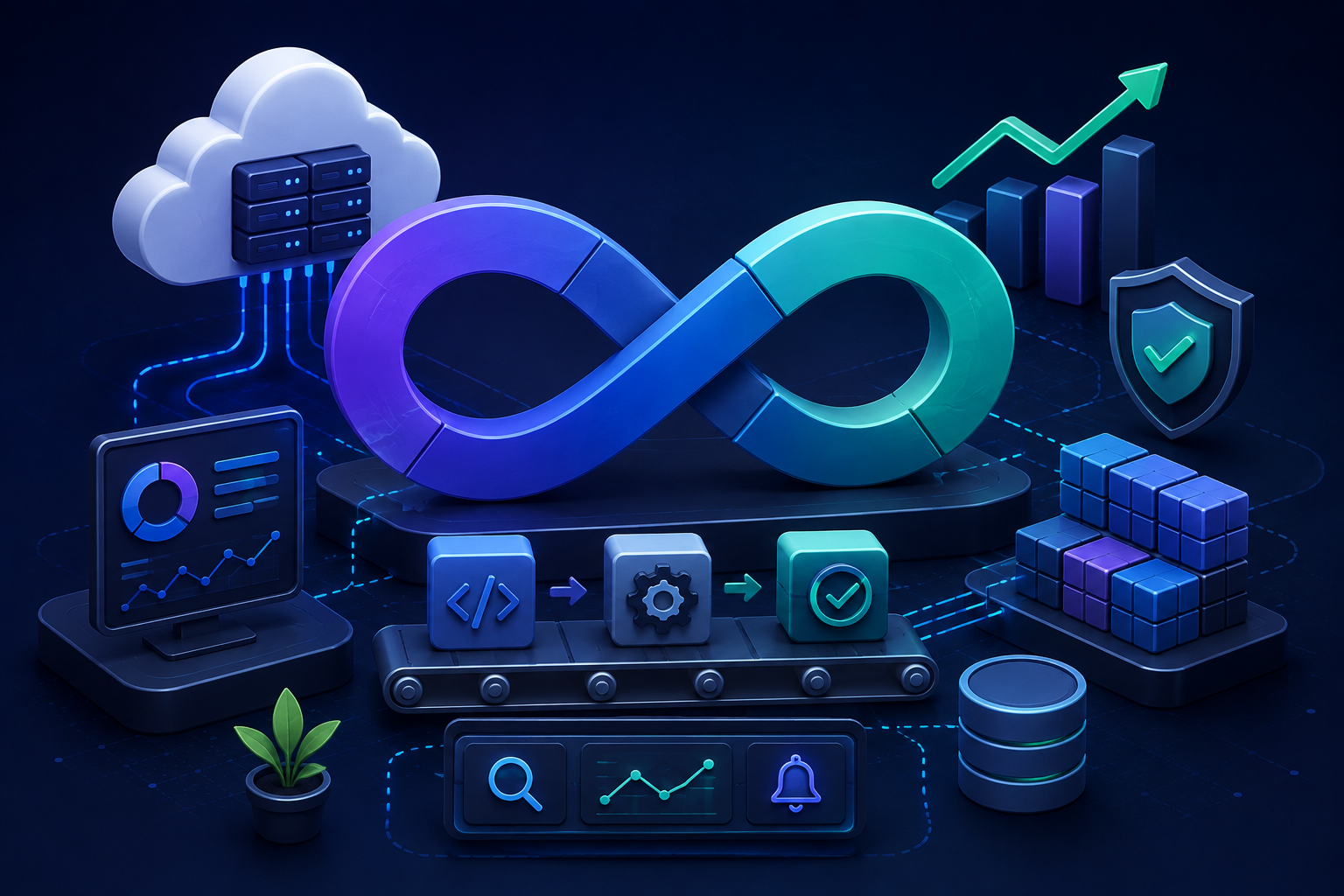
Product engineering is not a one-time project—it is an ongoing cycle of:
- Building
- Measuring
- Learning
- Improving
Teams that embrace this mindset are better equipped to respond to changing business needs and user feedback.
Modern engineering decisions should be supported by evidence.
Rather than relying on assumptions, teams use data to understand how products perform in real-world environments.
Important signals include:
- User behavior
- Feature adoption
- System performance
- Retention rates
- Customer feedback
These insights help prioritize improvements and ensure resources are invested where they create the greatest impact.
New features often attract the most attention, but stability remains equally important.
A product that frequently experiences downtime, performance issues, or reliability problems quickly loses user trust.
This is why product engineering includes:
- Monitoring
- Testing
- Performance optimization
- Security reviews
- Infrastructure improvements
Innovation and reliability must evolve together.
The most successful products are built through hundreds of small improvements over time.
Some changes are highly visible to users. Others happen behind the scenes.
Together, these improvements help products remain competitive, scalable, and aligned with customer needs.
The focus is not simply on shipping features, but on delivering measurable value.
Product engineering does not end when a product launches.
It continues through every update, optimization, and enhancement that follows.
By combining strong architecture, data-driven decision-making, and a commitment to continuous improvement, engineering teams can build products that not only solve today's challenges but remain valuable for years to come.
Because great products are not just built—they are continuously engineered for growth.
%20-%201080x1080px.png)